

Zoom Earth (Pro APK) for Android 2026: Revolutionizing Real-Time Satellite Imaging
In an era where real-time data and high-resolution imagery are transforming industries and everyday life, Zoom Earth stands out as a pioneering platform. As we step into 2026, the Pro APK version for Android devices epitomizes the convergence of cutting-edge satellite technology, intuitive design, and user-centric features—making it an indispensable tool for professionals, enthusiasts, and global citizens alike.
The Evolution of Satellite Imagery: From Static Photos to Dynamic Reality
Over the past decade, satellite imaging has undergone a seismic transformation. What once was limited to static, low-resolution images now offers near real-time updates with stunning clarity. Zoom Earth exemplifies this evolution, harnessing advanced satellite networks and cloud computing to deliver live views of our planet.
In 2026, the platform’s Pro APK for Android has become a cornerstone for a multitude of sectors—climatology, disaster management, urban planning, agriculture, and even personal curiosity. Its seamless integration with mobile technology ensures that users can access high-fidelity satellite imagery anytime, anywhere.
Unpacking the Features of Zoom Earth (Pro APK) in 2026
1. Real-Time Satellite Data Streaming
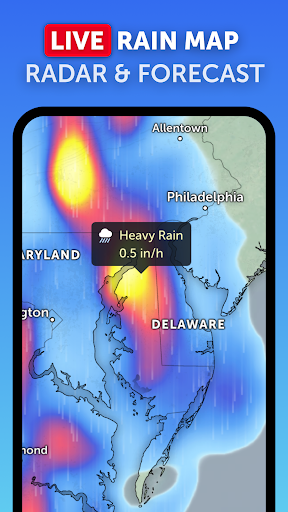
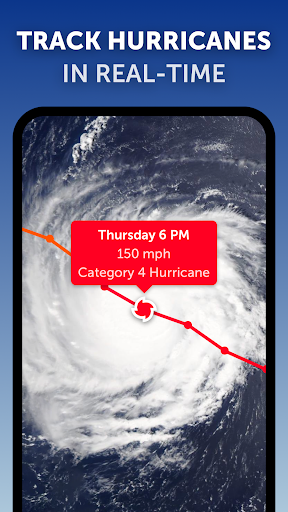
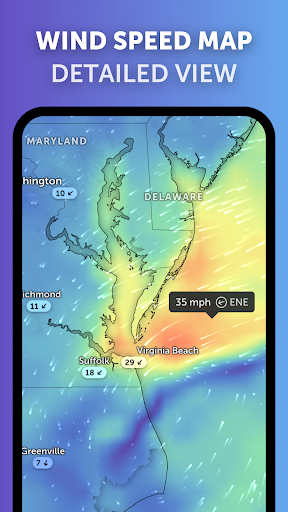
At the heart of Zoom Earth’s appeal lies its real-time data streaming capability. Powered by a vast constellation of satellites, the platform offers live updates of weather patterns, environmental changes, and even human activities. Whether monitoring a hurricane’s progression or observing urban sprawl, users are equipped with timely, precise information.
2. High-Resolution Global Coverage
The Pro APK version elevates resolution standards, providing imagery down to 30 centimeters per pixel in some regions. This level of detail is invaluable for professionals conducting site analysis or researchers studying environmental shifts.
3. Advanced Layering and Data Overlays
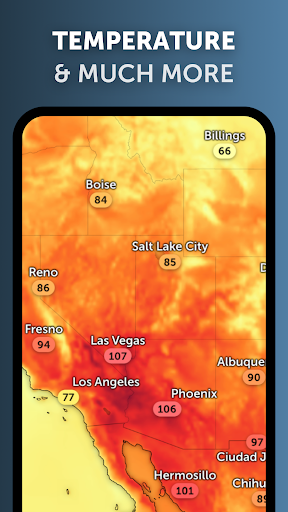
Zoom Earth’s layers feature thermal imagery, topographical maps, land use, and vegetation indices. Users can customize their view, overlaying multiple data types for comprehensive analysis. For instance, farmers can assess crop health with NDVI overlays or urban planners can evaluate zoning patterns.
4. Enhanced User Interface and Customization
The Android app’s UI has been optimized for ease of use, with intuitive gestures, customizable dashboards, and quick access to saved locations. Personalization options allow users to tailor their experience—saving favorite sites, setting alerts, or creating custom overlays.
5. Offline Mode and Data Caching
Recognizing the importance of connectivity, the Pro APK offers offline capabilities. Users can cache specific regions or datasets, enabling continued analysis without internet access—ideal for fieldwork or remote locations.
6. AI-Powered Analysis and Alerts
Leveraging artificial intelligence, Zoom Earth now offers predictive analytics. It can identify emerging natural disasters, track deforestation, or monitor urban growth. Alert systems notify users of significant changes, enabling prompt responses.
7. Integration with Other Platforms
The app seamlessly integrates with GIS software, cloud storage, and data analysis tools. This interoperability streamlines workflows for professionals who require comprehensive data pipelines.
The Technology Behind Zoom Earth in 2026
Zoom Earth’s technological backbone is a marvel of modern engineering. Its satellite network incorporates the latest in miniaturized satellites and high-orbit platforms, ensuring persistent coverage and rapid update cycles.
Satellite Constellation
A fleet of Low Earth Orbit (LEO) satellites, equipped with multispectral sensors and high-resolution cameras, provide near real-time imagery. These satellites are equipped with advanced stabilization, enabling sharp images even in adverse weather.
Cloud Computing and Data Processing
Massive cloud infrastructure processes the incoming data stream, applying AI algorithms for analysis and visualization. The platform’s servers handle terabytes of data daily, ensuring users receive the most current imagery with minimal latency.
Edge Computing on Mobile Devices
Innovative edge computing capabilities onboard Android devices enhance processing speed and reduce dependence on network connectivity. This results in faster rendering of high-resolution images and smoother user experiences.
User Experience and Accessibility in 2026
The success of Zoom Earth’s Pro APK hinges not just on technology but also on its user-centric design:
- Streamlined Navigation: The app offers effortless zooming, panning, and layering controls, making complex data accessible to novices and experts alike.
- Custom Alerts: Users can set geographic or event-based alerts. For example, environmental agencies can be notified of deforestation activities or flood developments.
- Community and Collaboration: Integration with social and professional networks allows sharing of views, annotations, and collaborative analysis.
- Security and Privacy: Robust encryption and user privacy controls ensure sensitive data remains protected, aligning with global standards.
Practical Applications in 2026
Disaster Management and Emergency Response
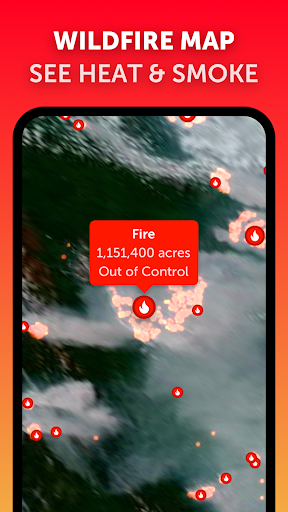
Real-time satellite data is crucial for early detection and response. In 2026, agencies use Zoom Earth to monitor wildfires, floods, and storms. Immediate visual confirmation accelerates evacuation plans and resource deployment.
Climate Change Monitoring
Scientists track glaciers, deforestation, and sea-level rise with unprecedented precision. The platform’s data helps inform policy and conservation efforts.
Urban Development and Smart Cities
City planners analyze growth patterns, traffic congestion, and infrastructure needs. Urban expansion is visualized dynamically, aiding sustainable development.
Agriculture and Food Security
Farmers and agronomists monitor crop health, soil moisture, and pest infestations. Precision agriculture benefits from detailed overlays, optimizing yields and reducing waste.
Education and Citizen Science
Educational institutions and citizen scientists access immersive satellite imagery, fostering awareness and participation in global issues.
The Future Outlook: Zoom Earth 2026 and Beyond
The trajectory of Zoom Earth indicates an ongoing commitment to innovation. Future updates may include:
- Deeper AI Integration: Autonomous anomaly detection and predictive modeling.
- Enhanced Augmented Reality (AR) Features: Overlaying satellite data onto real-world views via AR.
- Global Data Sharing Initiatives: Facilitating open data access for researchers worldwide.
- Personalized Data Dashboards: Tailored insights based on user interests and sectors.
Challenges and Considerations
While the platform offers remarkable capabilities, challenges remain:
- Data Privacy: Ensuring sensitive information isn’t misused or exploited.
- Data Accuracy: Maintaining precision amidst rapid data influx.
- Environmental Impact: Managing the ecological footprint of satellite launches and operations.
- Accessibility: Bridging digital divides to ensure equitable access globally.
Final Thoughts
In 2026, Zoom Earth’s Pro APK for Android exemplifies how satellite technology can empower individuals and organizations to understand our planet better. Its blend of advanced imaging, AI-powered insights, and user-friendly design makes it a cornerstone for environmental stewardship, disaster resilience, urban planning, and education.
As we continue to grapple with complex global challenges, tools like Zoom Earth serve as vital windows—offering clarity, immediacy, and a deeper connection to the world around us. The future of satellite imagery is bright, dynamic, and more accessible than ever, promising a more informed and engaged global community.