

Introduction
In the rapidly evolving landscape of digital communication, few apps have managed to sustain their dominance and relevance as effectively as WhatsApp Messenger. Since its inception, WhatsApp has revolutionized how billions across the globe connect, share, and communicate daily. As we step into 2026, the app continues to evolve, integrating cutting-edge technologies, enhanced privacy features, and innovative functionalities that redefine the user experience on Android devices.
This article delves deep into the current state of WhatsApp Messenger (APK) for Android in 2026, exploring its features, security measures, technological advancements, and the ways it has shaped modern communication. Whether you’re a casual user, a business professional, or a tech enthusiast, understanding WhatsApp’s journey and its present capabilities offers valuable insights into the future of social connectivity.
The Origins and Evolution of WhatsApp
Founded in 2009 by Brian Acton and Jan Koum, WhatsApp initially gained popularity as a simple, reliable alternative to traditional SMS messaging. Its core appeal lay in offering free, instant messaging with multimedia support, all within a user-friendly interface. Over the years, the app’s architecture and features have expanded, incorporating voice calls, video chats, status updates, and end-to-end encryption.
The acquisition by Facebook (now Meta Platforms Inc.) in 2014 accelerated its growth trajectory, providing resources for international expansion and technological upgrades. Despite concerns over privacy and data sharing, WhatsApp has maintained a dedicated user base, thanks to its commitment to simplicity, security, and innovation.
WhatsApp in 2026: The Current Landscape
By 2026, WhatsApp has cemented its position as the world’s preferred messaging app, boasting over 3 billion active users. Its integration into daily life extends beyond personal conversations to encompass business communication, customer service, and even governmental services in various regions.
1. The App’s Core Features in 2026
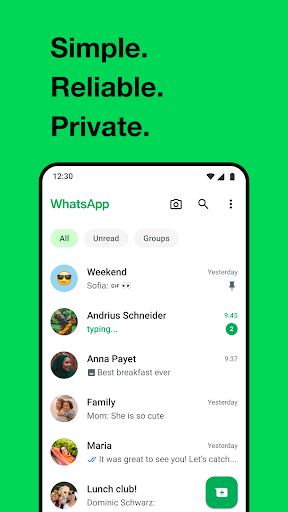
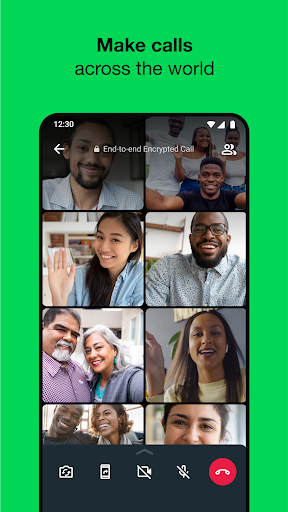
- Seamless Messaging & Calls: Users can send text messages, voice notes, high-definition photos, videos, and documents effortlessly. Voice and video calls are now more stable and of higher quality, leveraging 5G and beyond.
- Multimedia Enhancements: The app supports immersive media sharing, including augmented reality (AR) stickers, 3D effects, and real-time translation for cross-language communication.
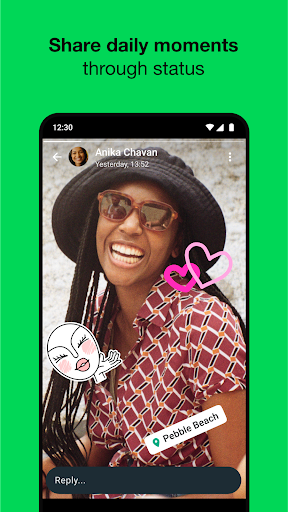
- Status and Stories: The “Status” feature allows users to share updates that disappear after 24 hours, with options for interactive polls and multimedia stories.
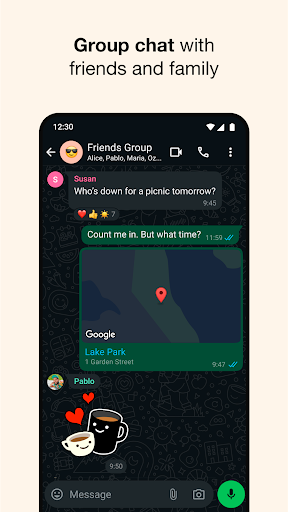
- Group Chats & Communities: Enhanced group management tools enable communities of up to 10,000 members, with admin controls and moderation features.
- Business Integration: WhatsApp Business API has evolved into a comprehensive platform for enterprises, integrating AI chatbots, automated responses, and CRM tools.
The APK Version in 2026: Why Download the APK?
While the official Google Play Store remains the primary source for app updates, many users opt for APK files—especially in regions with restricted access or for early beta testing. The APK version of WhatsApp in 2026 offers several advantages:
- Early Access to Features: Beta versions often include cutting-edge functionalities before they are publicly released.
- Customization & Modifications: Enthusiasts can customize themes, UI layouts, and even integrate third-party plugins.
- Offline Installations & Updates: In areas with limited connectivity, APK files enable users to install and update WhatsApp without relying solely on app stores.
However, caution is paramount. Downloading APKs from unofficial sources can pose security risks, such as malware or compromised data. Always ensure APK files come from trusted sources or official channels.
Key Features of WhatsApp APK in 2026
1. Enhanced Privacy and Security
Privacy remains at the forefront of WhatsApp’s design. In 2026, the app has introduced revolutionary privacy features powered by AI and blockchain technology:
- Decentralized Data Storage: User data is stored in decentralized nodes, reducing centralized control and enhancing security.
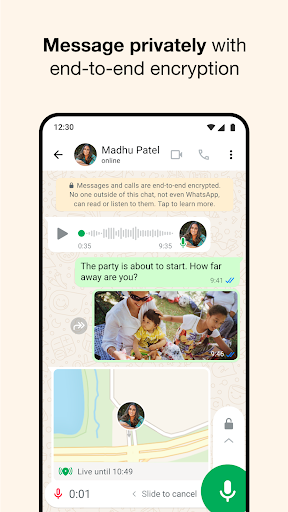
- Advanced End-to-End Encryption: Not just messages but also calls, status updates, and even backups are encrypted with quantum-resistant algorithms.
- Self-Destructing Messages & Disappearing Media: Users can set messages or media to auto-delete after a specified period, with options for one-time viewing.
- Privacy Controls: Granular controls allow users to hide last seen, online status, read receipts, and typing indicators selectively.
2. AI-Powered Features
Artificial intelligence plays a pivotal role in enhancing user experience:
- Smart Replies & Suggestions: Context-aware suggestions streamline conversations.
- Automatic Language Translation: Real-time translation of messages into over 150 languages, facilitating global communication.
- Content Moderation: AI filters out spam, misinformation, and harmful content proactively.
- Voice & Video Enhancement: Noise suppression, background blurring, and virtual backgrounds during calls.
3. Media & File Sharing
- Ultra High-Definition Media: Supports sharing of 8K videos and high-resolution images seamlessly.
- Large File Sharing: Up to 2GB per file, ideal for professional use.
- AR & 3D Content: Share interactive content, AR objects, and 3D models directly within chats.
4. Integration & Automation
- IoT & Smart Devices: Connect with smart home devices, wearables, and vehicles for seamless control.
- Chatbots & AI Assistants: Businesses can deploy AI chatbots for customer support, order tracking, and more.
- Payment & Transactions: Securely send and receive money globally, with support for cryptocurrencies and digital wallets.
User Experience and UI in 2026
The UI of WhatsApp in 2026 is sleek, intuitive, and highly customizable:
- Dark Mode & Themes: Dynamic themes based on user mood, time of day, or regional festivals.
- Gesture Controls: Swipe gestures for quick actions like archiving, deleting, or replying.
- Split-Screen Multitasking: Use WhatsApp alongside other apps effortlessly.
- Voice & Video Commands: Control the app via voice commands, integrating with virtual assistants.
Challenges and Ethical Considerations
Despite its advancements, WhatsApp faces ongoing challenges:
- Data Privacy & Surveillance: Balancing innovation with user rights remains critical. Governments and privacy advocates scrutinize data sharing and encryption policies.
- Misinformation & Content Moderation: AI tools help but are not foolproof. Responsible moderation remains essential.
- Digital Divide: Ensuring equitable access to advanced features for users in underserved regions.
- Security Threats: As features evolve, so do hacking techniques. Continuous security updates are vital.
The Future Outlook: WhatsApp in 2030 and Beyond
Looking ahead, WhatsApp’s trajectory points toward:
- Augmented Reality & Virtual Reality Integration: Virtual meetings, social gatherings, and immersive experiences.
- Brain-Computer Interfaces (BCI): Potential future integration for direct neural communication.
- Universal Digital Identity: Secure digital IDs linked to WhatsApp for authentication across services.
- Global Connectivity Initiatives: Bridging the digital divide with satellite internet partnerships and offline-first features.
Conclusion
In 2026, WhatsApp Messenger (APK) for Android stands as a testament to the relentless pursuit of innovative, secure, and user-centric communication. Its evolution reflects the broader technological trends—AI, blockchain, AR/VR—that define our digital age. While embracing these advancements, WhatsApp continues to prioritize privacy and accessibility, ensuring it remains an indispensable part of our connected lives.
Whether you’re chatting with loved ones, managing a business, or exploring new digital frontiers, WhatsApp in 2026 offers a robust, dynamic, and secure platform designed for the future of human connection.