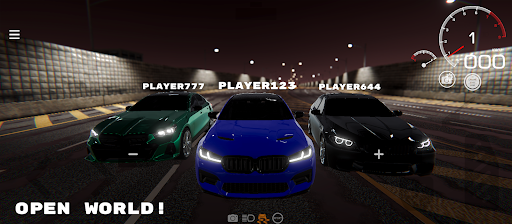
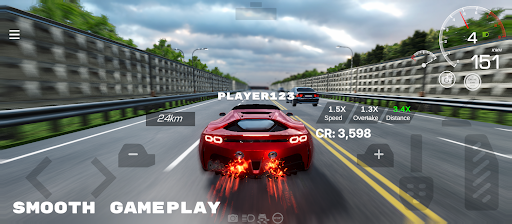
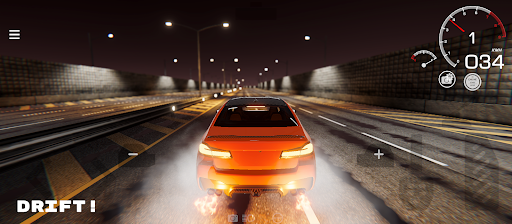
Mobile racing games have come a long way since the early days of pixelated tracks and simple controls. PROJECT R Ultra Car Simulator stands out as a true game-changer for Android users in 2026, pushing the limits of what a phone can deliver in realistic driving. With its Free Purchase APK version, players get instant access to premium features that would otherwise cost a bundle, making it a hot topic in gaming circles right now.
This guide covers everything from the game’s core mechanics to how the Free Purchase APK fits into the mix. You’ll see why it’s setting new standards for mobile sim racing. Let’s get into the details.
Section 1: PROJECT R Ultra Car Simulator – A New Benchmark in Mobile Realism
PROJECT R Ultra Car Simulator brings mobile racing to life with tech that feels like you’re behind the wheel of a real supercar. Developers at RazorEdge Studios poured years into this title, releasing it in early 2026 for Android devices. It builds on past hits but adds layers of detail that make every turn and straightaway count.
1.1 Core Physics Engine and Handling Dynamics
The physics in PROJECT R feel spot-on because of its advanced engine. Tires grip the road based on wear, temperature, and surface type, so you notice when they’re hot from a few laps. Suspension reacts to bumps and curbs, giving you feedback through your device’s haptic motor that mimics real jolts.
Weather plays a big role too. Rain slicks up tracks, forcing you to adjust throttle input for less slip. Snow or fog cuts visibility, adding tension to night races. Compared to games like Asphalt 9 or Real Racing 3, this setup handles more like a console title, but it runs smooth on phones.
You get options to tweak force feedback strength in settings. That way, mid-range Androids like the Samsung Galaxy A series can still deliver punchy controls without lag.
1.2 Visual Fidelity and Optimization for 2026 Hardware
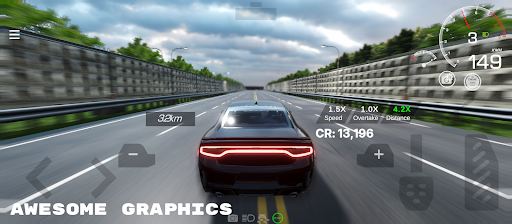
Graphics in PROJECT R shine on 2026 flagships like the Pixel 10 or OnePlus 14. Ray tracing-like effects light up car reflections and shadows in real time, making wet roads glisten under headlights. Textures go up to 4K resolution for car bodies and environments, with over 500,000 polygons per vehicle model.
It scales well for older hardware too. On mid-tier devices, it drops to 60 FPS by simplifying shadows and particle effects. Battery drain stays low thanks to adaptive rendering, which only ramps up visuals during key moments like overtakes.
Pop-in for distant objects is minimal, even in open-world modes. This balance lets more players enjoy the eye candy without constant crashes or heat issues.
1.3 The Vehicle Roster: Authenticity and Licensing
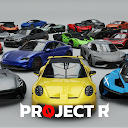
PROJECT R packs over 50 licensed cars from brands like Ferrari, Lamborghini, and Porsche. Each one captures real details, from the growl of a V12 engine to the click of a sequential gearbox. Interiors show wear on seats and dashboards that change with use.
Customization starts basic but grows deep. You can swap engines for more power or add turbo kits that alter sound profiles. Rumors point to partnerships with tuners like Hennessey, bringing hypercars with top speeds over 250 mph in-game.
Fictional tracks get real-world vibes too. A circuit inspired by Nürburgring has the same elevation shifts and guardrail placements. This mix keeps things fresh while honoring car culture.
Section 2: Understanding the “Free Purchase APK” Phenomenon for PROJECT R
Free Purchase APKs for games like PROJECT R let Android users skip the paywall on in-app buys. In 2026, with rising game prices, these mods appeal to budget gamers who want full access without spending. They modify the app to treat premium items as free, opening up the whole garage right away.
Communities on forums like XDA Developers buzz about safe ways to grab these files. You download an altered APK that patches the game’s code for unlimited currency or instant unlocks. It’s popular because official versions lock cool cars behind $10-20 packs.
2.1 Defining the Free Purchase APK Ecosystem
A Free Purchase APK for PROJECT R means you get all the paid content baked in from the start. Think unlimited credits for buying rare vehicles or pro tuning parts without grinding. The core game stays the same, but monetization gates vanish.
Players share these on sites dedicated to Android mods. Version 1.2.3 from May 2026 fixed early bugs while keeping the free perks. It works by injecting code that fools the app into thinking you’ve paid.
Not every mod holds up after updates, so check compatibility. Many users pair it with tools like Lucky Patcher for extra tweaks, but stick to basics for stability.
2.2 In-Game Economy and Monetization Structure (Official vs. Modified)
Officially, PROJECT R uses credits earned from races to buy cars starting at 5,000 each. Premium packs add exclusive rides like a 2026 McLaren hypercar for $15 real money. Tracks unlock progressively, with VIP access speeding things up via subscriptions at $4.99 a month.
The Free Purchase APK flips this. You start with infinite credits, grabbing any car or upgrade on day one. No more waiting for daily rewards or ad watches to build your fleet.
This setup lets you experiment freely. Test a drift-tuned Nissan on tight corners without the official grind. It changes how you approach career mode, focusing on skill over resource management.
2.3 Security and Sourcing: Navigating the APK Landscape
When hunting for a Free Purchase APK, scan files with antivirus apps like Malwarebytes before install. Enable unknown sources in Android settings, but only from trusted spots. In 2026, Google Play Protect flags risky downloads, so use it as a first check.
Backup your device data first. Sideloading can overwrite saves if done wrong. Look for APKs signed with the original developer key to avoid crashes.
Communities often rate sources by user reports. Pick ones with recent uploads matching PROJECT R’s version. If something feels off, like weird permissions, delete it fast.
Section 3: Gameplay Modes and Career Progression in PROJECT R
PROJECT R offers modes that keep you hooked for hours, from solo runs to online battles. Career mode builds your driver story step by step. Multiplayer ramps up the competition with global lobbies.
Tracks span the globe, each with unique challenges. Weather shifts mid-race, so you adapt on the fly. It’s all about strategy and quick reflexes.
3.1 The Single-Player Career Campaign: Structure and Depth
Career mode in PROJECT R starts you as a rookie in a beat-up sedan. You climb through street races and pro circuits, earning sponsors for better gear. It’s not fully open-world but feels expansive with hub cities linking events.
Missions vary: deliver cargo without damage, time trials under pressure, or endurance runs that test fuel management. Each chapter ties to a season, like summer drifts or winter rallies. Progress unlocks backstory cutscenes with your crew.
Depth comes from choice. Pick sponsors that boost handling or speed, affecting later races. By mid-campaign, you’re managing a team, hiring mechanics for custom setups.
- Early Game: Focus on basic tracks to build skills.
- Mid Game: Tackle championships with AI rivals who learn your style.
- Late Game: Face boss races against legend drivers.
This structure rewards patience and smart decisions.
3.2 Competitive Multiplayer and E-Sports Potential
Multiplayer in PROJECT R connects up to 12 players in real-time races. Ranked lobbies use an Elo system, where wins boost your tier from Bronze to Diamond. Safety ratings penalize crashes, encouraging clean driving.
Cross-play with iOS is in beta as of May 2026, letting friends join regardless of phone. Voice chat integrates with Discord for team strategies. Tournaments pop up weekly, with prizes like exclusive liveries.
E-sports wise, mobile racing is booming. PROJECT R’s pro scene could mirror PUBG Mobile, with global events drawing thousands. Controllers pair via Bluetooth for precise inputs, giving pros an edge.
Quick matches fill fast, often under 30 seconds wait. It’s accessible yet deep for serious players.
3.3 Track Catalog and Environmental Diversity
The track list includes 25 circuits, from Monaco’s tight streets to a fictional desert oval. Real scans ensure accurate layouts, like Spa’s famous Eau Rouge corner. Fictional ones add variety, such as a neon-lit Tokyo night track.
Day-night cycles change handling; headlights cut through fog but glare on dry asphalt. Dynamic weather hits randomly—sudden rain demands tire swaps mid-race. These factors force setup tweaks, like softer compounds for grip.
Environmental details immerse you. Crowds cheer from sidelines, and debris from wrecks litters the road. Each track has hotlap records to beat, pushing personal bests.
- Urban Tracks: High-speed chases with traffic.
- Mountain Circuits: Elevation drops test brakes.
- Oval Speedways: Drafting battles for positions.
This diversity keeps races exciting.
Section 4: Deep Dive into Customization and Tuning Mechanics
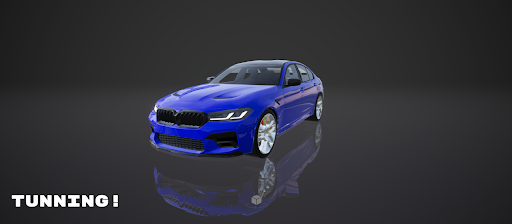
Tuning in PROJECT R goes beyond paint jobs; it’s about fine-tuning every part for peak performance. You access the garage from any menu, pulling up detailed sliders. The “Ultra” label fits with controls that rival PC sims.
Cosmetics let you stand out in multiplayer. Performance mods boost lap times if done right. Start simple and build from there.
4.1 Performance Tuning: From Suspension Geometry to ECU Mapping
Adjust camber angles to hug corners better, starting at -1.5 degrees for front wheels. Caster affects steering feel—higher values give more stability at speed. Toe settings fine-tune straight-line tracking, with slight toe-in reducing wander.
Gear ratios let you shorten for acceleration or lengthen for top speed. Differential locks help in rallies, locking up to 80% for better traction out of hairpins. Brake bias shifts front-to-rear, say 60-40 for trail braking into turns.
ECU mapping alters power delivery; soft mode smooths throttle for beginners, while race mode unleashes full torque. Test changes in practice mode to see lap time gains, often 2-3 seconds with good tweaks.
These options make every car unique to your style.
4.2 Cosmetic Modification and Visual Personalization
The livery editor uses layers for custom designs—upload photos or draw freehand. Add functional aero like carbon fiber splitters that cut drag by 5%. Wheels range from 18-inch alloys to flashy mags with color-matched calipers.
Interiors swap seats for racing buckets or add gauges that show real-time telemetry. Helmets and suits get personalized with team logos. These touches make your ride feel owned, not borrowed.
In multiplayer, rivals spot your setup from afar. A bold flame wrap on a Porsche turns heads in lobbies.
4.3 Actionable Tip: Optimizing Your First Car Setup
For your starter car in basic circuit racing, balance tire pressures at 32 PSI front and rear. This gives even grip without overheat. Set differential preload to 20 Nm for stability under acceleration—too low causes wheel spin on exits.
Run a quick test lap. If the rear steps out, stiffen the sway bar by one click. These changes shave seconds off times without big upgrades.
Section 5: The Community Reaction and Future Outlook for PROJECT R (2026+)
Players love PROJECT R for its realism, but some gripe about touch controls. Forums fill with setup shares and race clips. It’s building a loyal fanbase fast.
Updates keep it fresh, with devs listening to feedback. Looking ahead, it could redefine mobile sims.
5.1 Initial Reception and Critical Review Summaries
Early reviews praise the physics as top-tier for mobile. Sites like Android Authority gave it 4.5 stars, noting smooth 120 FPS on high-end phones. Graphics wow, but a few call out occasional input lag on budget devices.
Community threads highlight fun multiplayer, though matchmaking needs work for low-ping games. Strengths shine in solo depth; weaknesses include steep learning for tuning newbies.
Overall, it’s seen as a step up from 2025 rivals, with 80% positive user scores on app stores.
5.2 Post-Launch Support and Anticipated Updates
RazorEdge posts monthly dev diaries on their site, teasing new content. Patch 1.1 in April 2026 added three cars and bug fixes. Roadmaps hint at VR mode for headsets like Oculus Quest links and deeper weather sims.
Controller support expands to PS5 pads natively. Expect seasonal events with limited-time tracks. Community votes shape DLC, like rally packs.
This ongoing support keeps players engaged year-round.
5.3 PROJECT R vs. Console/PC Simulators: Closing the Gap
Mobile sims like PROJECT R match consoles in physics detail but win on portability—race anywhere with your phone. PC versions like iRacing edge out in mod support, yet PROJECT R’s touch optimizations make it easier for casual play.
It falls short on ultra-high-res textures without a big screen, but haptic feedback closes that gap. Accessibility draws in more players than wired setups. In 2026, it’s portable power that rivals desktop rigs for everyday fun.
Conclusion: Re-evaluating Mobile Gaming Immersion
PROJECT R Ultra Car Simulator redefines what Android racing can be, blending top-notch physics, stunning visuals, and deep customization into one package. The Free Purchase APK opens it up for everyone, letting you dive straight into premium action without barriers. From career climbs to multiplayer thrills, it delivers hours of engagement.
This 2026 title sets a high bar for mobile sims, proving phones can handle pro-level driving. Grab it, tweak your setup, and hit the track—you won’t look back. Whether official or modded, PROJECT R makes every lap count.