

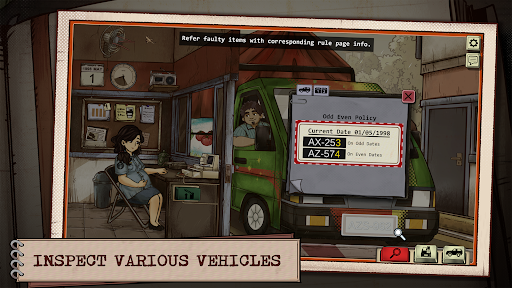
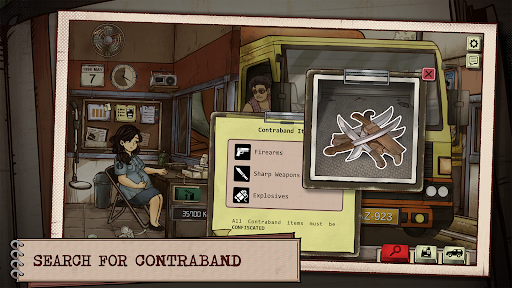
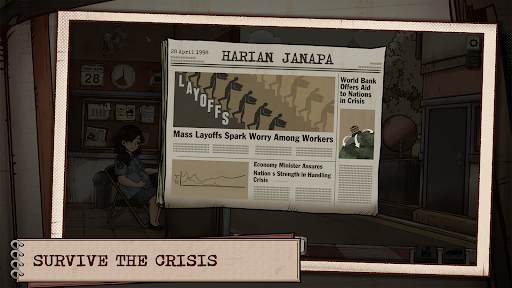
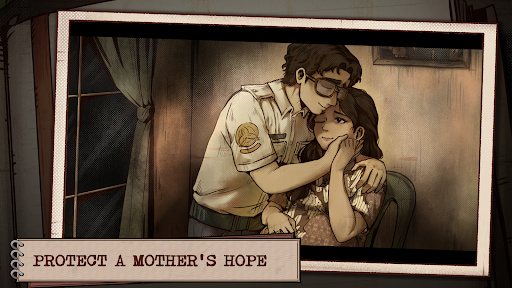
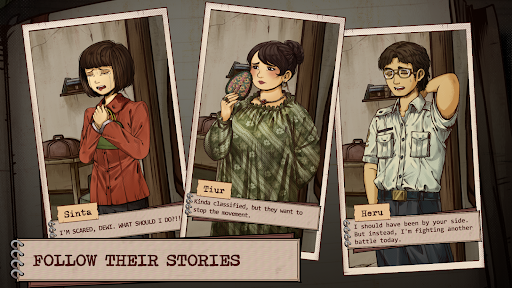
1998: The Toll Keeper Story is a narrative simulation about survival, motherhood, and morality during a nation’s collapse, inspired by one of the darkest chapters of Indonesia’s history.
1998: The Toll Keeper Story – Unlocking the Legacy of an Indie Gaming Gem (Unlocked Game APK)
The faint hum of a CRT monitor fills the room. You insert a dusty disc, the drive whirs, and suddenly, you are transported to a dark, quiet station at the edge of nowhere. This was the reality of 1998 PC gaming. Before modern AAA budgets took over the industry, small teams created strange, beautiful experiments that lived in the corners of the internet. 1998: The Toll Keeper is one of those rare, haunting treasures. It captured a specific brand of mystery that big studios just could not replicate.
At its core, this game is a cryptic adventure. It blends puzzle-solving with a narrative that refuses to hold your hand. For years, it lived in the shadows, known only to a dedicated group of fans who traded files on old message boards. Today, it remains a touchstone for how to build atmosphere without high-end graphics. This article explores the design of 1998: The Toll Keeper, why it is so hard to run on modern computers, and why players still hunt for an “unlocked game APK” or similar packages to experience its eerie magic today.
The Genesis of a Cult Classic – Understanding 1998: The Toll Keeper
Development Philosophy and Core Mechanics
When you look back at games from the late 90s, you see a lack of polish that actually helped the horror. Developers had to work around massive technical limits. They could not render detailed faces or sprawling open worlds. Instead, they focused on what they could do well: lighting, sound, and interface.
The creators of 1998: The Toll Keeper leaned into these limits. They did not try to make an action-packed blockbuster. They made a slow, deliberate experience. The interface is not clean; it is clunky and slightly alien. This was a choice. By making the player struggle with the controls, the game increases your sense of isolation. You are not a hero; you are just a person stuck in a job that feels wrong.
The game is hard to define by modern genres. Is it point-and-click? Yes, but it has the pacing of a slow-burn thriller. It relies on the “less is more” rule. You spend most of your time reading notes, adjusting dials, and listening to the ambient sound of wind or machinery. It forces you to pay attention to the silence.
Narrative Threads and Environmental Storytelling
Modern games often use cutscenes to explain the plot. 1998: The Toll Keeper does the opposite. You have to work for every piece of the story. The narrative is scattered across the environment like breadcrumbs. A bloodstained logbook here, a strange frequency on the radio there, a photograph tucked under a desk.
This style of storytelling makes the player an active partner. You do not just watch the story; you piece it together. If you miss a detail, you might not understand the significance of the Toll Keeper. This creates a personal connection to the mystery. Because the game is so vague, every player leaves with a different interpretation of what happened. Was it a supernatural event? A psychological breakdown? The game never confirms anything, and that is why it stays with you.
The Initial Reception and Underground Following
When it first came out, 1998: The Toll Keeper did not have a massive marketing budget. It likely appeared on shareware discs or via small, direct-to-consumer sales. It did not get the rave reviews from big magazines. Instead, it grew through word of mouth.
In the early 2000s, specific forums dedicated to obscure PC games became its home. Fans would post long threads debating the lore. They created a community around a shared confusion and wonder. This “rediscovered” status is common for indie titles from that era. Because it was never a mass-market hit, it felt like a secret. Finding a copy became a badge of honor for PC gaming collectors.
Technical Deep Dive – Why Original Compatibility Fades
The Architecture of Late 90s PC Gaming
To understand why this game is difficult to run, you have to look at how Windows 98 handled graphics. Back then, software developers wrote code for very specific hardware. They relied on libraries like DirectDraw and early versions of DirectX that do not exist in the same way on Windows 10 or 11.
The game was built for monitors that ran at low resolutions, like 640×480. When you try to launch it on a modern 4K screen, the game does not know what to do. It might launch in a tiny window, look stretched, or crash the moment it tries to call a legacy graphics driver. These are not “bugs” in the traditional sense; they are conflicts between a game that expects a 20-year-old environment and an operating system that has moved on.
The Necessity of Preservation and Fan Patches
Keeping a game like 1998: The Toll Keeper alive is a full-time job for the community. Without the fans, this title would be lost to “bit rot,” where old files simply stop working on new systems. To play it today, you usually need a wrapper.
Wrappers are small programs that sit between the game and your operating system. They translate the old commands into language your modern computer understands. Tools like dgVoodoo or compatibility modes in DOSBox have saved thousands of games. If you want to play it, you must be prepared to troubleshoot. It rarely works “out of the box.” You might need to edit configuration files or force specific resolution settings. This act of tinkering is part of the experience for retro gamers.
Unlocking the Game – The Phenomenon of the Unlocked Game APK
Defining the “Unlocked Game APK” Context
You might see search results for “1998: The Toll Keeper unlocked game APK.” It is important to clear up a technical distinction here. An APK file is designed for Android, not Windows. However, in the world of online downloads, people often use the term “APK” as a catch-all for a “ready-to-install” package.
When players search for an “unlocked” version, they are looking for a version that has been pre-configured. They want a file where the patches are already applied, the compatibility wrappers are set up, and the game launches instantly. They want to bypass the technical struggle described in the previous section. They want a “plug and play” experience for a game that was never designed for it.
The Appeal: Bypassing Emulation Hurdles
Why would someone hunt for these unofficial packages? Convenience. Not everyone has the patience to spend three hours editing registry keys or debugging a wrapper just to see a title screen.
The appeal of an “unlocked” package is simple: it removes the barrier to entry. For many, the goal is just to play the game and feel that 1998 nostalgia. They do not care about the technical history. They want the atmosphere, the mystery, and the “Toll Keeper” experience without the headache of setting up a virtual machine. It is a way to bridge the gap between 1998 and today.
Risks Associated with Unofficial Distributions
There is a major downside to seeking these “unlocked” packages. When you download a modified game file from a random site, you are taking a risk. Many of these sites bundle their downloads with hidden extras. These might include adware, which floods your browser with pop-ups, or worse, malware that can steal your data.
Many unofficial archives are not moderated. A user might think they are downloading a safe version of 1998: The Toll Keeper, but they are actually downloading a script that infects their PC. If you decide to go down the path of searching for these files, you must be careful. Use trusted, community-verified sites, or better yet, support legitimate abandonware preservation groups that provide clean, community-verified fixes instead of sketchy “unlocked” installers.
The Enduring Relevance of 1998: The Toll Keeper Today
Design Influence on Modern Indie Horror
Look at the modern indie horror scene. You see titles that focus on low-poly graphics, strange fixed camera angles, and psychological stress. You can trace a line from those games back to 1998: The Toll Keeper.
Many current developers admire how this game created fear without a single monster chasing the player. It proved that sound design and a slow, creeping sense of wrongness could be more effective than a jump scare. By prioritizing mood over spectacle, it helped define the blueprint for the “walking simulator” and psychological horror genres that are so popular now.
Analyzing Atmosphere Over Graphics
We often equate “good” with “high resolution.” This game proves that theory wrong. When you play 1998: The Toll Keeper, you stop caring about the pixels after five minutes. You start caring about the flickering light in the corner. You start caring about the weird, distorted voice on the radio.
High-fidelity graphics are not a requirement for immersion. In fact, sometimes they get in the way. When a game is too realistic, it can feel like a movie. When a game is minimalist, like this one, it forces your brain to fill in the gaps. Your imagination is always scarier than any 4K texture could ever be. That is why this game still holds up. It appeals to your mind, not just your eyes.
The Modern Player Experience
If you are a modern gamer used to quest markers, tutorials, and clear objectives, 1998: The Toll Keeper will be a shock. There is no map telling you where to go. There is no checklist of items to find. You are on your own.
This requires a change in mindset. You must be patient. You have to treat the game like a physical puzzle. Keep a notepad nearby. Write down the codes you find. Sketch out the rooms if you get lost. Modern games often automate the boring parts, but in 1998, the “boring” parts were where the atmosphere lived. You must be willing to sit with the mystery. If you approach it with the right mindset, the reward is a sense of accomplishment you just cannot get from modern, guided experiences.
The Keeper’s Legacy in the Digital Age
The search for 1998: The Toll Keeper is about more than just finding an old game. It is about honoring a moment in time where creativity was not filtered through focus groups. It was a time when developers could make a weird, haunting, silent game and put it out for the world to see.
We have covered the history, the technical hurdles, and the risks of modern access methods. We have seen how this title paved the way for the indie horror games we play today. Whether you track down an original disc or use a community-patched version, the experience remains the same. You sit down, you dim the lights, and you let the mystery of the toll keeper pull you in.
These digital artifacts are fragile. They exist only because people care enough to keep them alive. If you are curious, take the time to experience this piece of history responsibly. Seek out safe, community-approved methods for running it. The toll keeper is waiting, and the story is worth finding.